Elevating Brand Identity with 3D Pop Art Text Style Effects in Modern Design
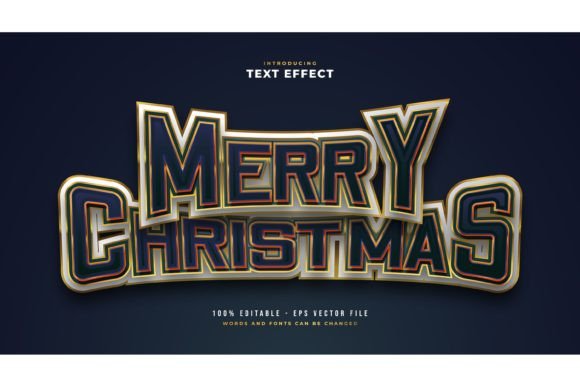
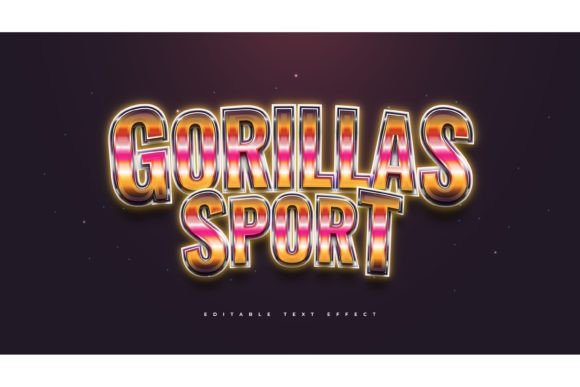
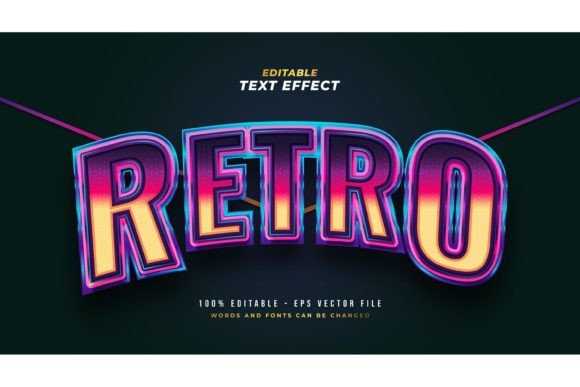
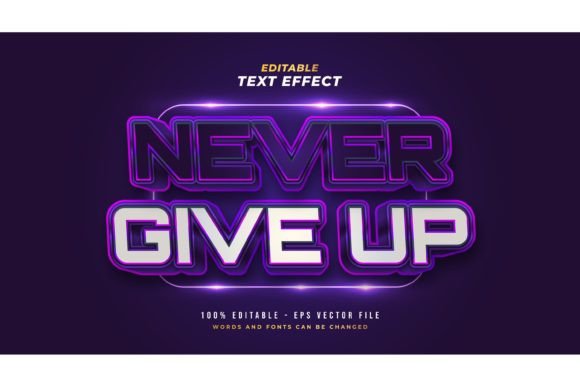
In the rapidly evolving landscape of digital marketing and visual communication, standing out is no longer a luxury—it is a necessity. As audiences become increasingly desensitized to flat, minimalist aesthetics, designers and brands are turning toward bold, dimensional typography to capture attention. Among the most striking tools in this creative arsenal is the 3D Pop Art Text Style Effect. This dynamic design approach merges the nostalgic vibrancy of mid-century pop art with contemporary three-dimensional rendering techniques, creating visuals that are not only eye-catching but deeply engaging.
For professionals, creators, entrepreneurs, and marketers, understanding how to leverage these effects can significantly enhance brand recall and user engagement. However, the barrier to entry for high-quality 3D typography has traditionally been steep, requiring advanced skills in complex software. This is where accessible, editable design assets change the game. By utilizing pre-built style effects—such as those offering 100 editable words, fonts, sizes, and effects—creators can bypass the technical learning curve and focus on strategic messaging.
The Resurgence of Bold Typography in Digital Media
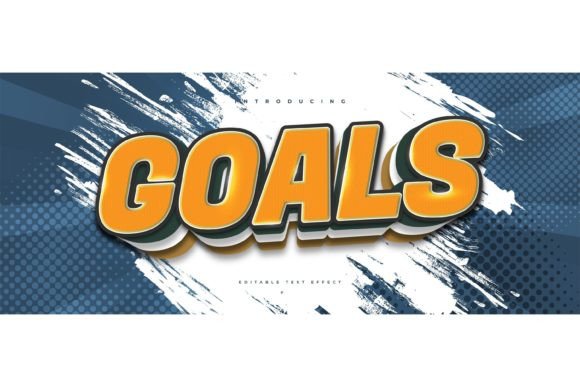
The shift toward maximalist design is not merely a fleeting trend; it is a response to information overload. In a saturated digital environment, subtle design choices often get lost in the scroll. The 3D Pop Art Text Style Effect addresses this challenge by adding depth, shadow, and vibrant color palettes that demand immediate visual attention. This style draws inspiration from the Pop Art movement of the 1950s and 60s, characterized by its use of bold outlines, Ben-Day dots, and high-contrast colors, but updates it for the modern screen through realistic lighting and perspective.
From a business perspective, this aligns with the growing need for "scroll-stopping" content. Whether used in social media ads, website headers, or presentation decks, 3D typography conveys energy, innovation, and confidence. It signals to the consumer that the brand is current, playful, and willing to take creative risks. For freelancers and agencies, offering this type of high-impact visual work can differentiate their services in a competitive market, allowing them to command higher rates for premium, custom-looking deliverables.
Bridging the Gap Between Complexity and Accessibility
Historically, creating authentic 3D text effects required mastery of industry-standard software like Adobe Illustrator, Photoshop, or even 3D modeling tools like Blender or Cinema 4D. The process involved meticulous manipulation of extrusions, bevels, lighting sources, and material textures. For many small business owners, marketers, or non-designer entrepreneurs, this workflow was prohibitively time-consuming and technically demanding.
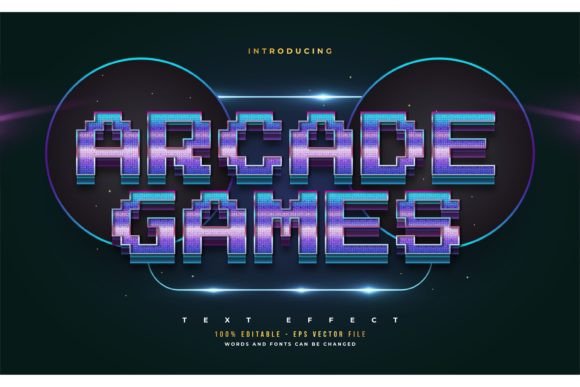
This is why the availability of editable text style effects has become a crucial resource. These assets are not fonts in the traditional sense; rather, they are sophisticated graphic styles applied to vector objects. The key distinction is vital: this is a Text Font Effect Design, Not a Font. This means users are not limited to a specific typeface library. Instead, they can apply the effect to any font they choose, providing unlimited flexibility. You can change or use any font you like, ensuring that the typography aligns perfectly with brand guidelines while maintaining the desired 3D aesthetic.
The practical benefit is immense. With files included in EPS format and JPG previews, users can easily integrate these designs into their existing workflows. The promise of being "easy to edit just click and change the texts" transforms a hours-long design task into a matter of minutes. This efficiency allows creators to iterate quickly, test different messages, and respond to market trends with agility.
Customization and Creative Freedom
One of the most significant advantages of using high-quality style effect packs is the level of customization they offer. A robust package might include 100 editable words, fonts, size, and effect variations. This breadth ensures that whether you are designing a playful Instagram story, a professional corporate report, or a vibrant event poster, there is a style that fits the tone.
Consider the workflow of a social media manager. They need to produce daily content that remains consistent with brand identity but varies enough to keep the audience engaged. By using a versatile 3D Pop Art Text Style Effect, they can maintain a cohesive visual language across campaigns. If the brand decides to shift from a serious tone to a more celebratory one for a holiday sale, the manager can simply swap the font or adjust the color palette within the same effect structure. This consistency builds brand recognition, while the variation keeps the content fresh.
Furthermore, because these effects are vector-based (EPS), they are infinitely scalable. This is critical for multi-channel marketing. A design created for a mobile ad can be scaled up for a billboard or printed merchandise without losing resolution or clarity. This versatility makes such assets a cost-effective investment for businesses looking to maximize the utility of their design resources.
Aligning with Consumer Expectations and Technological Trends
Today’s consumers expect high-quality, immersive visual experiences. The rise of augmented reality (AR), virtual reality (VR), and high-definition displays has raised the bar for what constitutes "professional" design. Flat design, while clean, can sometimes feel sterile or outdated in contexts that call for excitement and depth. The 3D Pop Art Text Style Effect bridges this gap by offering a tactile quality that feels almost tangible on a two-dimensional screen.
This trend also reflects a broader cultural shift toward nostalgia and retro-futurism. Pop Art itself was a commentary on consumer culture, and its revival in digital design speaks to a desire for authenticity and playfulness in an increasingly automated world. Brands that adopt these styles are tapping into a emotional connection with their audience, evoking feelings of joy, creativity, and nostalgia.
Moreover, the ease of access to these tools democratizes high-end design. Small startups and independent entrepreneurs can now compete visually with larger corporations that have dedicated design teams. This leveling of the playing field fosters a more diverse and vibrant creative ecosystem, where unique voices can be heard through compelling visual storytelling.
Practical Applications Across Industries
The utility of 3D text effects extends far beyond graphic design portfolios. Here are several practical scenarios where these assets add significant value:
- Digital Advertising: High-contrast 3D headlines increase click-through rates by breaking the visual monotony of social feeds.
- Packaging Design: Bold, dimensional typography on product labels can enhance shelf appeal and communicate premium quality.
- Presentation Decks: Entrepreneurs pitching to investors can use 3D text to highlight key metrics or value propositions, making slides more memorable.
- Web Design: Hero sections featuring 3D pop art text can immediately convey a brand’s personality and reduce bounce rates.
- Merchandise: T-shirts, mugs, and posters featuring customizable 3D text allow for rapid prototyping of print-on-demand products.
In each of these cases, the ability to quickly edit and customize the text is paramount. The requirement for easy-to-edit files means that non-designers can make minor adjustments without needing to contact a design agency, saving both time and money.
Conclusion: Embracing Efficiency and Creativity
The integration of 3D Pop Art Text Style Effect into your design toolkit represents more than just an aesthetic choice; it is a strategic decision to enhance communication efficiency and visual impact. By leveraging editable, high-quality assets, professionals can overcome technical barriers and focus on what truly matters: connecting with their audience through compelling, clear, and creative messaging.
As the digital landscape continues to evolve, the demand for distinctive, high-quality visuals will only grow. Tools that offer flexibility, ease of use, and professional results are essential for staying ahead. Whether you are a seasoned designer looking to streamline your workflow or an entrepreneur building your brand from the ground up, embracing these accessible 3D design solutions empowers you to create with confidence and precision. The future of digital design is bold, dimensional, and accessible—and it starts with the right tools.